Global Collaboration. Open Science. Better Health.
Observational Health Data Sciences and Informatics (OHDSI, pronounced “Odyssey”) is a multi-stakeholder, interdisciplinary collaborative bringing value to health data through large-scale analytics.
We bring together researchers, data scientists, clinicians, and health systems worldwide to generate real-world evidence that improves patient care and health outcomes. By converting observational health data into actionable insights through standardized analytics and open source tools, our global community is transforming how healthcare decisions are made.
OHDSI is powered by a global community of volunteers collaborating together to improve healthcare. Discover how you can participate, collaborate, and learn within our global open-science network.
Join our weekly Tuesday community calls to hear global research updates, multi-site study results, and guest speaker presentations.
Connect directly with collaborators in any of our 40+ domain-specific workgroups and join discussions on our Community forums.
Access our suite of HADES analytics R packages, design cohort studies in Atlas, and contribute code on our active GitHub repositories.
Learn at your own pace through the Book of OHDSI, step-by-step YouTube tutorials, and interactive courses on the EHDEN Academy.
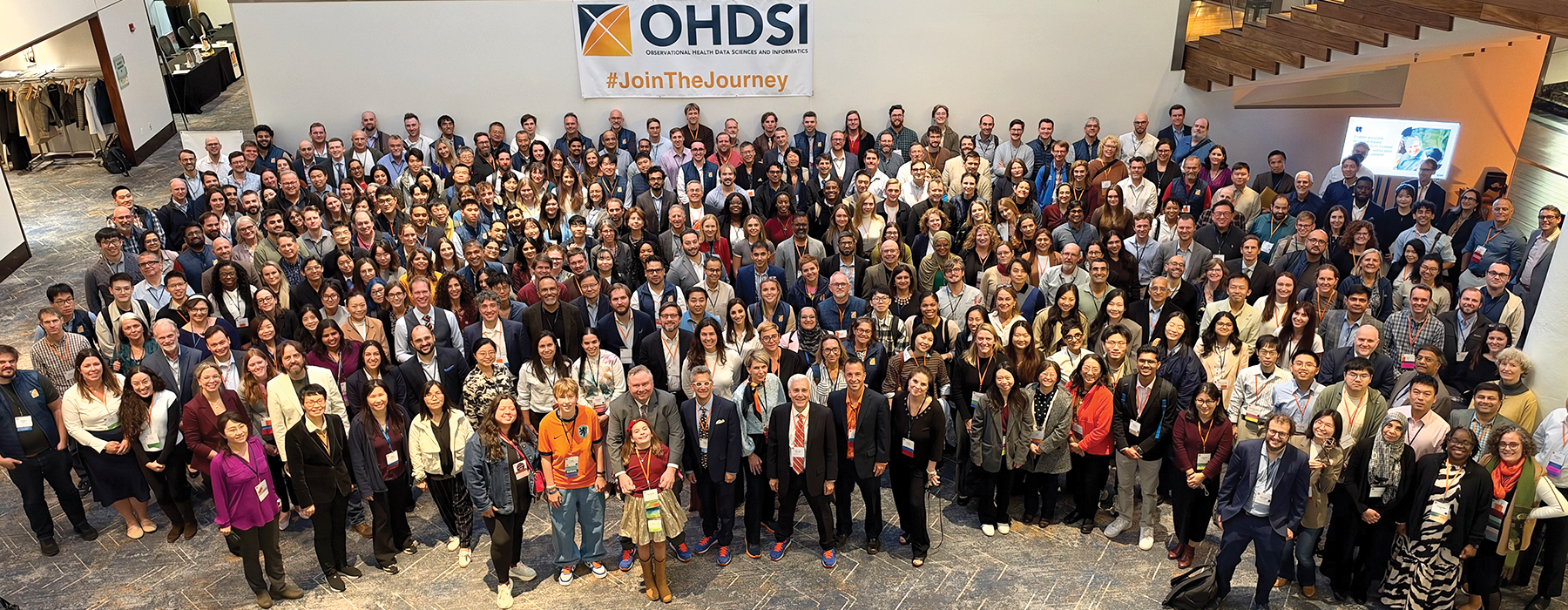
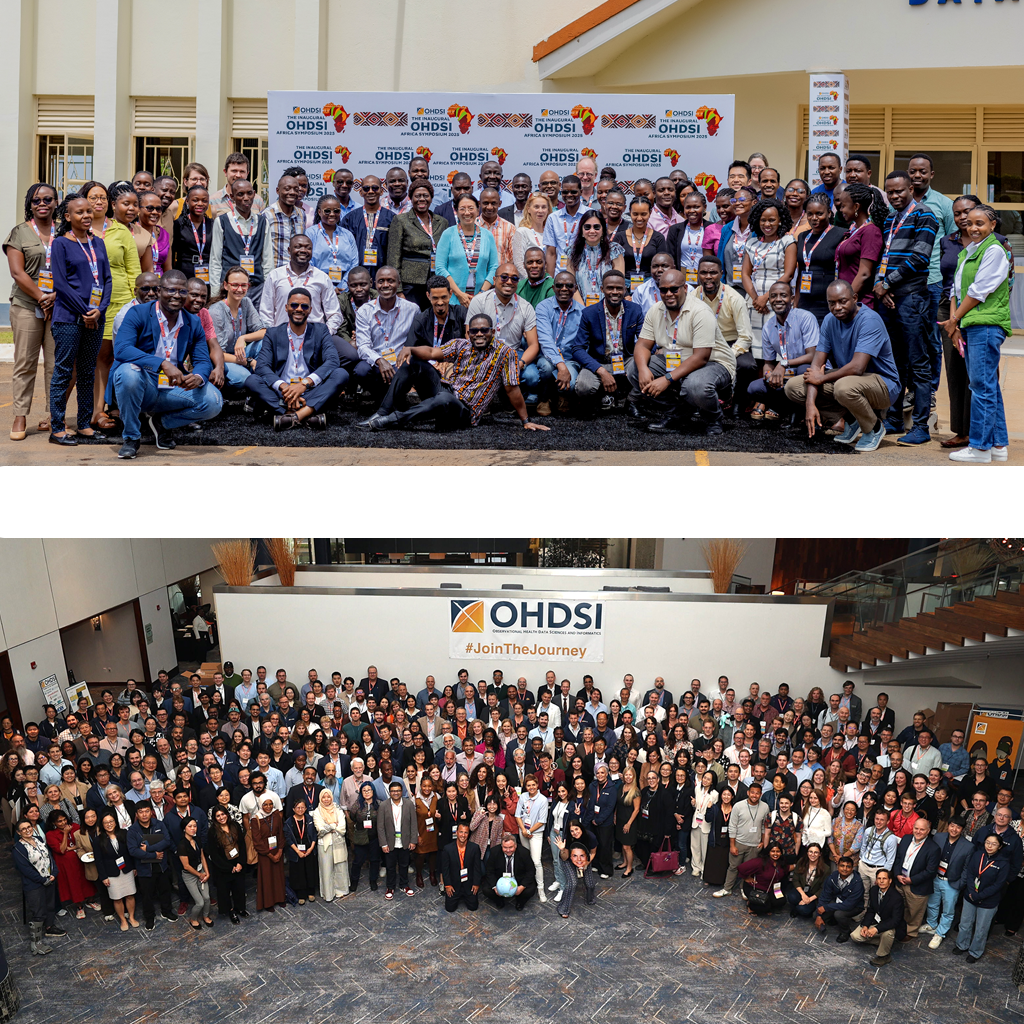
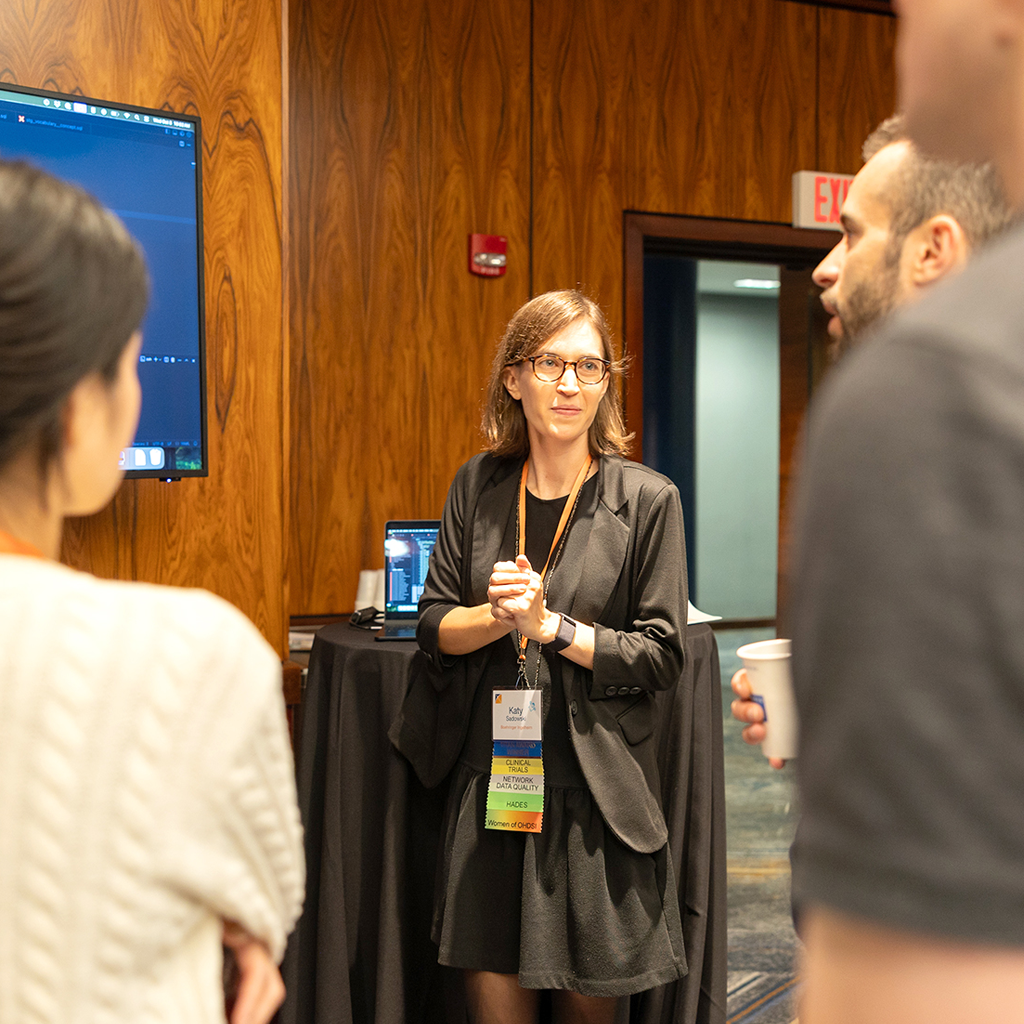
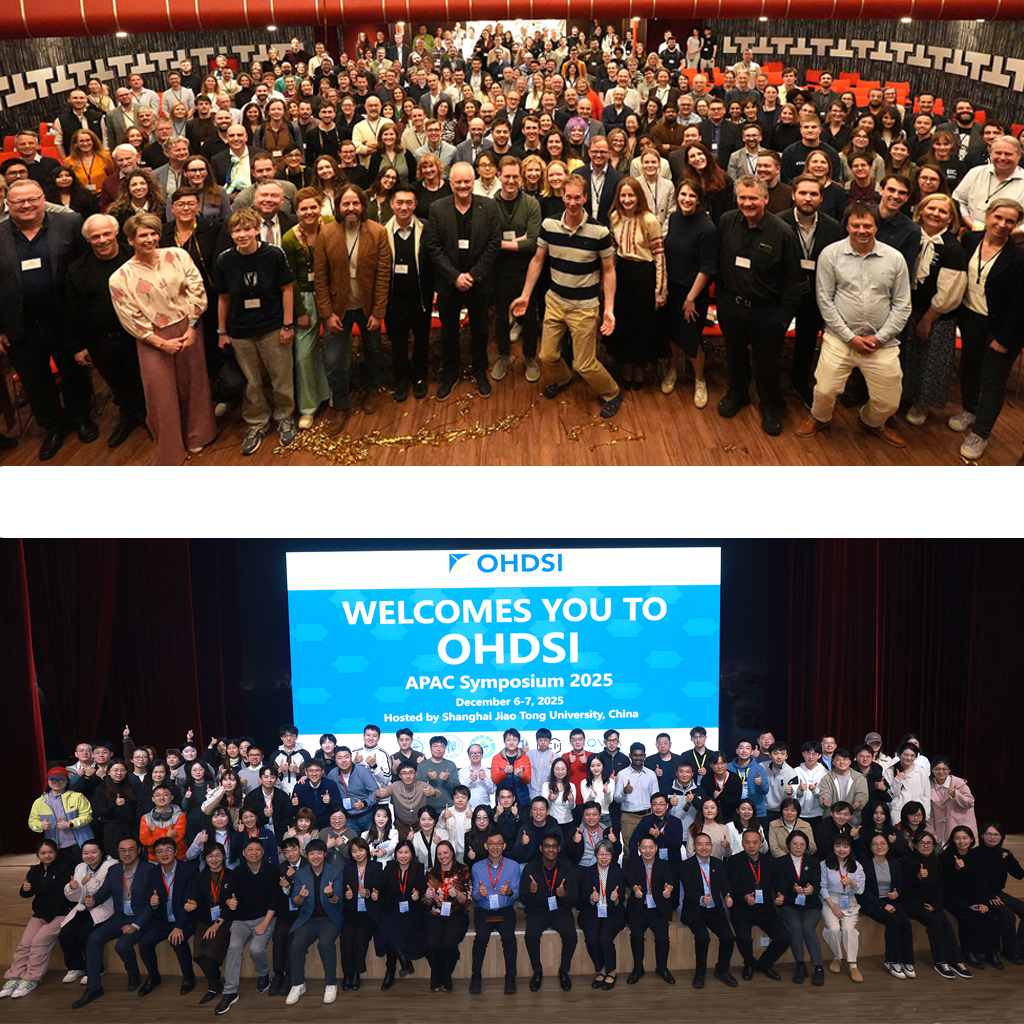
The 2026 Global Symposium will unite hundreds of international collaborators to showcase scientific innovations and build bridges for future research. Together, we are advancing our mission to generate real-world evidence that informs better health decisions and improves patient care. Join us this October for the flagship event of the OHDSI year!


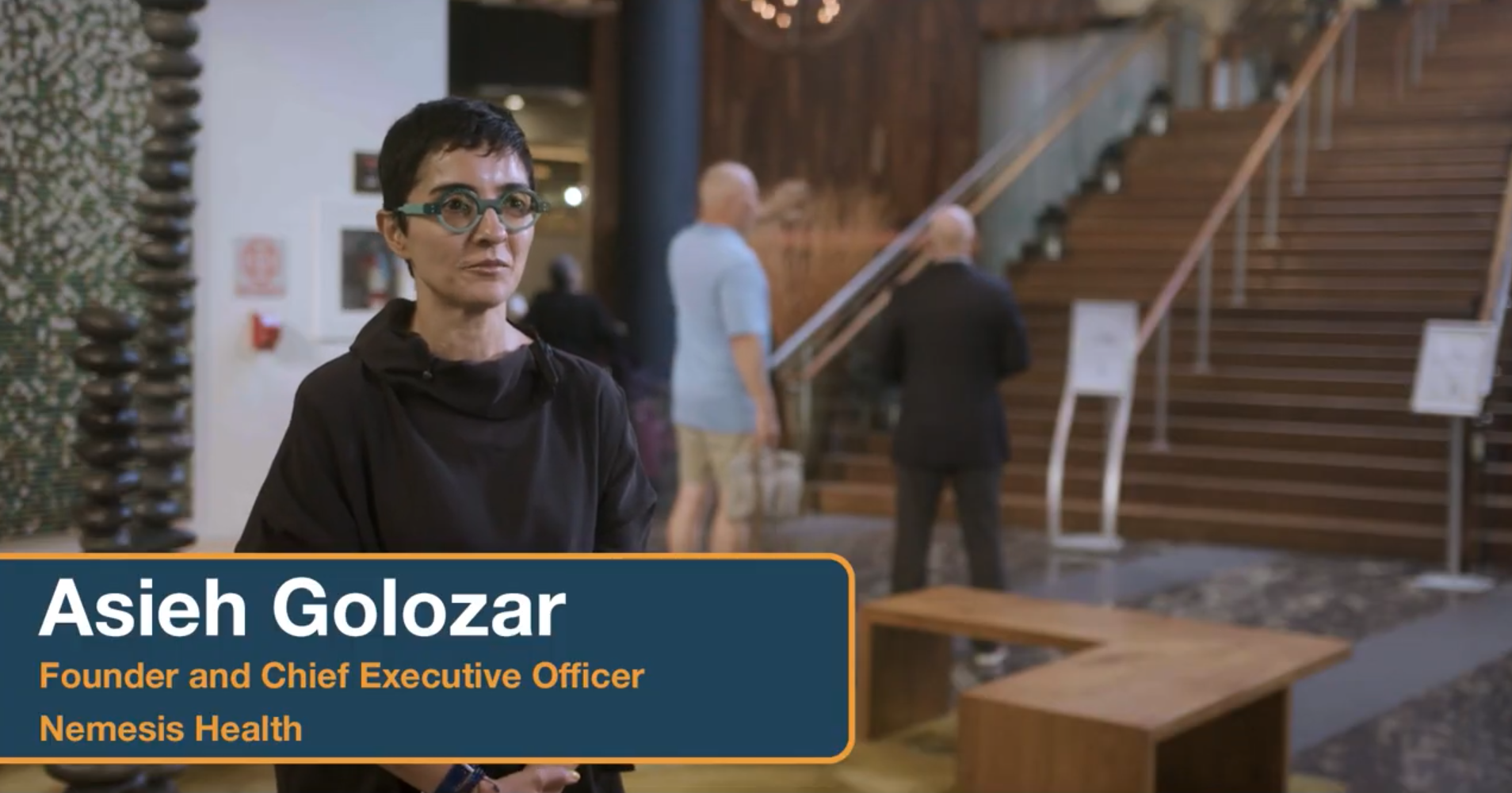
OHDSI’s impact comes from its global community. More than 50 collaborators have discussed their careers, research interests and more as part of our Collaborator Spotlight series.
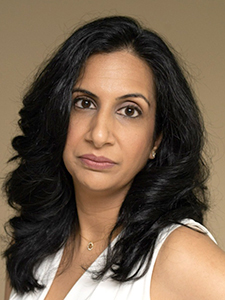
October 2026: Rupa Makadia
“What excites me most is how OHDSI has made large-scale observational research both more standardized and more open to participation. When I first became involved, there were only a few core workgroups. Today, the community spans an extraordinary range of clinical specialties and methodological areas, and each year it contributes more science, more tools, and more expertise to the ecosystem.”